
prototyping
Once the technical design is complete, it is followed by the creation of a prototype. If necessary, this phase may need to be repeated several times, iterating based on emerging issues and functions to be addressed, ensuring that the final result best represents the greatness of the original concept.
During prototype creation, paying attention to details is of utmost importance. The concepts and functions developed during industrial design must be practically tested and modeled to ensure they are truly functional. Therefore, multiple iterations of the prototype are an essential part of the process.
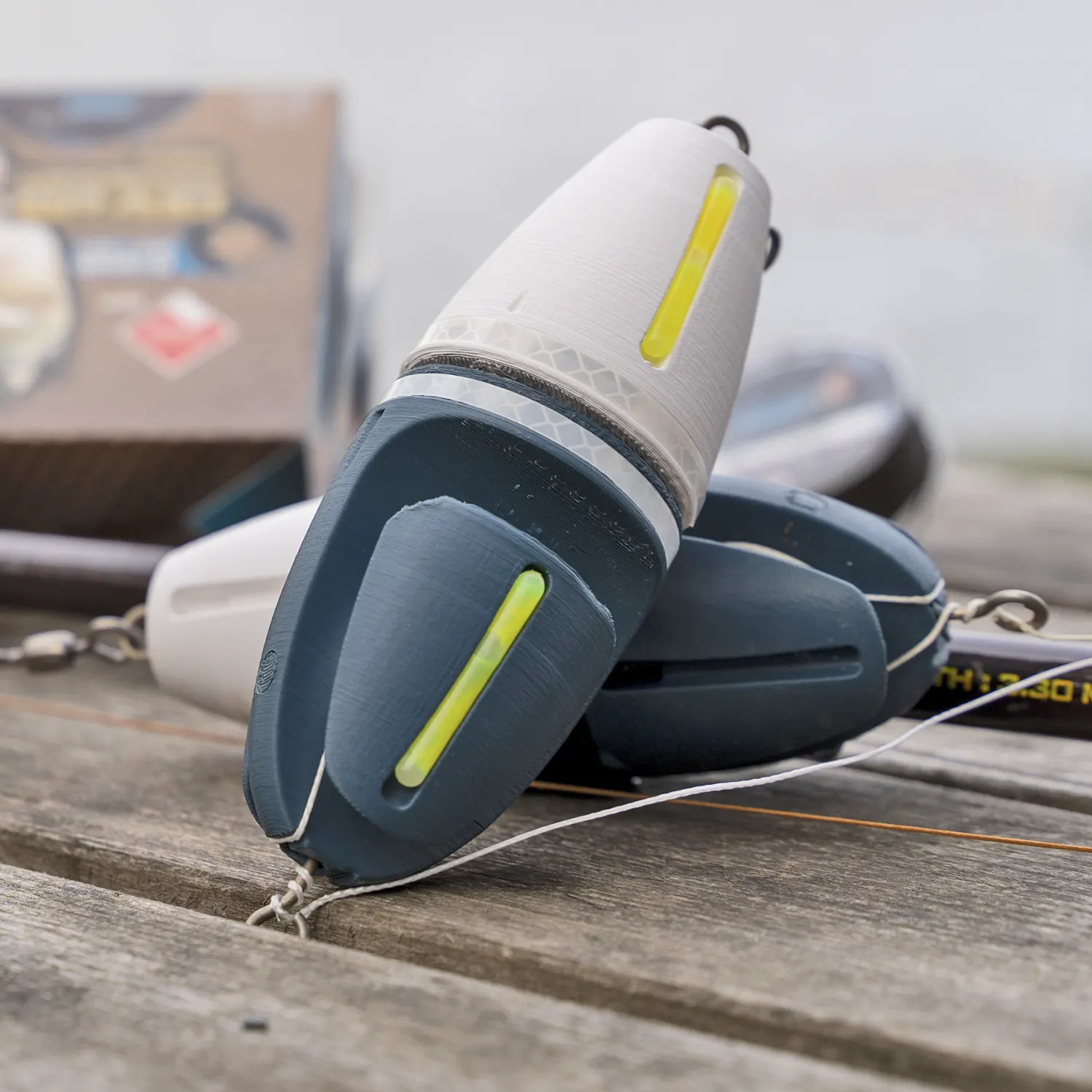
3D printing is one of the most commonly used methods for prototype creation. This technology allows designers to quickly and cost-effectively create full-size prototypes with properties similar to those made using mass production techniques. 3D printed prototypes enable designers to examine and assess the product's form and functionality in real-time.
However, during prototype creation, it's not just the technical details that matter. Design and the product's appearance are also key considerations. The prototype must not only be functional but also attractive and user-friendly, so that it appeals to customers and users, helping them make clear decisions regarding future investment choices.
During the product design process, there may be challenges and required changes that can only be identified during prototype creation. This is why it's crucial for designers and engineers to work closely together during prototype development, ensuring that the final result perfectly aligns with the original plans and expectations.
Creating a prototype is indeed a complex process that requires harmonizing various aspects of product design, industrial design, and design planning. Only through this coordination can we ensure that the final product meets expectations and successfully addresses the needs of customers.
In prototype creation, paying attention to details is essential, but it is equally important to stay up to date with the latest technological advancements. Modern digital tools and software empower designers and engineers to create more accurate and detailed prototypes, enhancing the product design and industrial design process. These technologies enable better simulations, faster iterations, and more efficient testing, ensuring that the final product not only meets but exceeds expectations.
In prototype creation, product design plays a crucial role in ensuring that the product aligns with current market demands and trends. Modern, aesthetically appealing products have a much higher chance of entering the market successfully and resonating with consumers. A well-designed product not only meets functional needs but also captures the attention and imagination of potential buyers, increasing its chances of market success. The ability to create prototypes that reflect these design aspects can make all the difference in a product’s overall reception.
Overall, prototype creation is a fundamental step in the product design and industrial design process, which helps realize and refine the original idea, as well as ensuring that the final result meets expectations and achieves market success.
SZOLGÁLTATÁSOK
2025 – © Nieto Studio – Minden jog fenntartva